
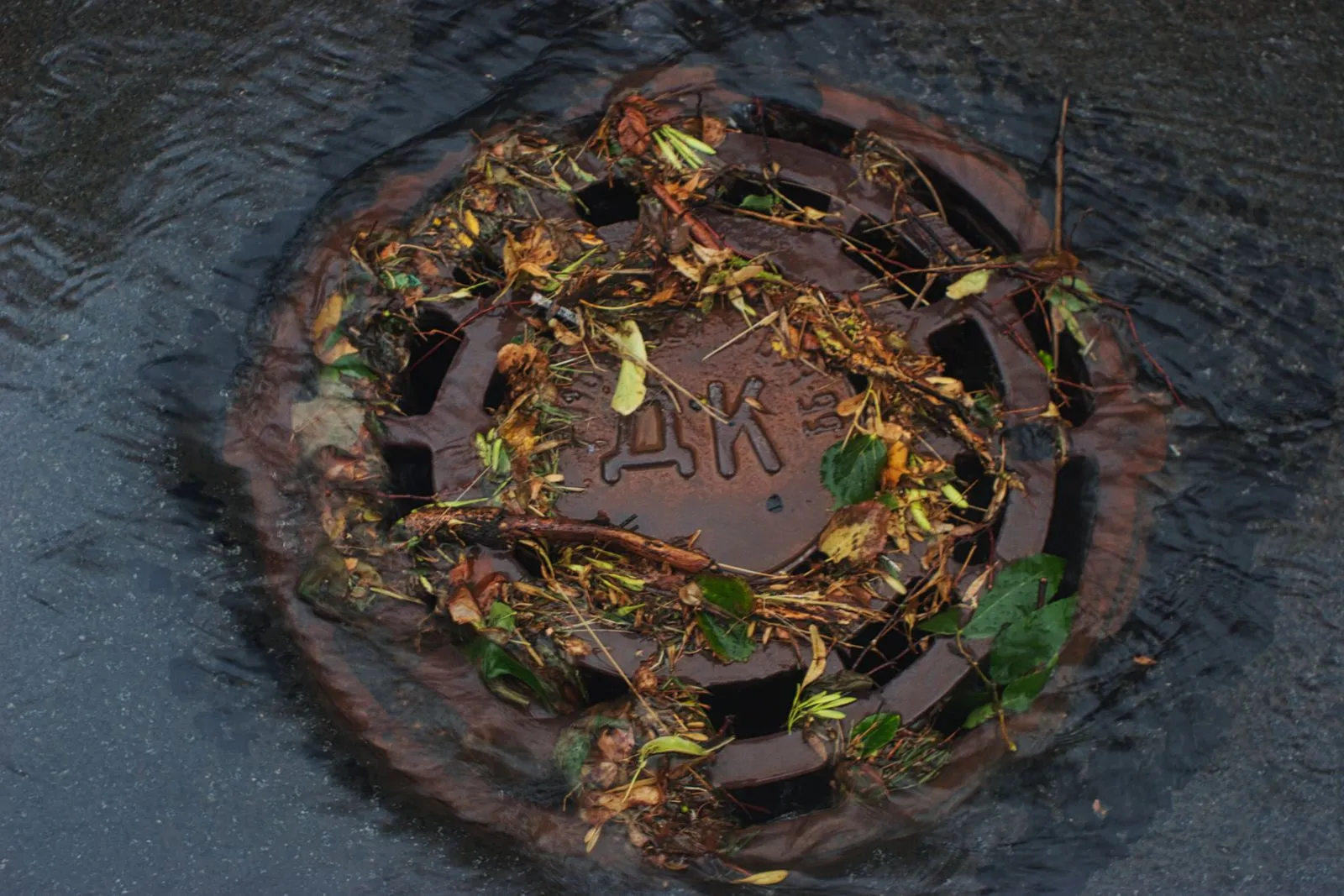
An underground drain can become blocked by grease, debris, roots, or damaged pipe sections. Because much of the system is out of sight, early clues often appear at fixtures or in the yard. A slow sink alone may have a simple cause, but several affected drains or repeated backups can point to a deeper problem. Learn which warning signs to watch for, what you can safely check, and when to call a drain professional.
Slow drainage in several places
One slow sink or tub may have a local clog in its trap or branch pipe. But when several fixtures drain slowly at the same time, the blockage may be farther along the shared drain line. Pay attention to whether toilets, tubs, floor drains, or sinks are affected together, especially on the lowest level of the building.
You can remove visible hair or debris from a drain opening and check whether the problem clears. Avoid pouring harsh chemical cleaners into multiple fixtures; they may damage plumbing or leave hazardous liquid in a backed-up line. If slow drainage continues across more than one fixture, arrange an inspection rather than treating each drain as a separate issue.
Backups or unusual water movement
A backup is a strong warning sign, particularly when wastewater comes up through a basement floor drain, toilet, or tub. You may also hear gurgling from a nearby fixture when a toilet flushes or a sink empties. These sounds can happen when air and water struggle to move through a partly blocked line.
Stop using water if sewage is backing up, and keep people and pets away from the affected area. Do not flush toilets or run appliances connected to the drain. Sewage can expose you to harmful contaminants, so avoid direct contact and contact a qualified drain professional promptly.
Clogs that keep returning
A clog that returns soon after clearing may be a symptom, not the root problem. Grease buildup, accumulated debris, invading roots, or a pipe that has shifted or deteriorated can catch material repeatedly. If the same fixture keeps clogging despite careful, appropriate clearing, note how often it happens and whether other drains are affected.
Repeatedly using a plunger or a hand snake may provide temporary relief without reaching a blockage in the underground line. A professional can inspect the pipe and identify where the restriction is located before recommending a clearing method. This helps avoid guesswork and can prevent unnecessary work on plumbing that is not causing the problem.
Changes around the drain line
A persistent sewage odor, damp patch, unusually lush strip of grass, or soft ground near a buried line can point to a leak or drainage issue. These signs do not confirm a blockage on their own, and weather or irrigation can also affect the yard. Look for changes that persist or appear alongside indoor drainage problems.
Call a drain professional when multiple warning signs occur, a backup returns, or you suspect a damaged line. Share which fixtures are affected, when symptoms began, and whether you have noticed odors or yard changes. Buffalo Drainworks serves Buffalo, NY, and can assess underground drain concerns. If sewage is actively entering your home, prioritize safety and request prompt assistance.
Slow drainage across fixtures, recurring clogs, gurgling, and backups can all signal a problem beyond a single drain. Stop using affected plumbing if wastewater is rising, and seek professional help when symptoms persist or spread. Keep track of what you notice so an inspection can start with useful details.